-
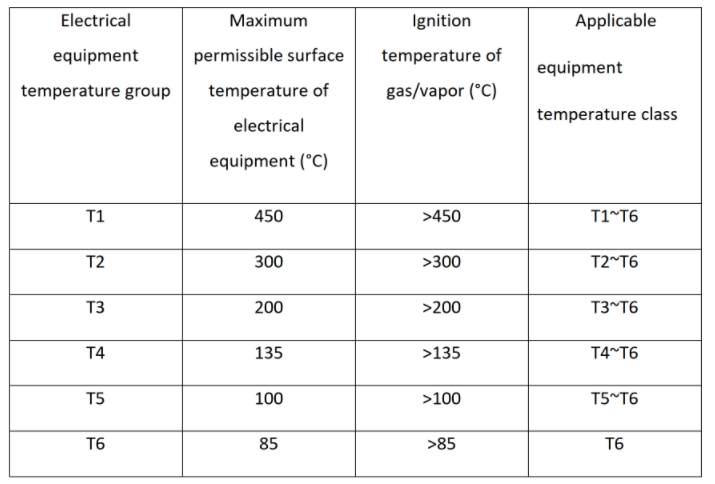 Can the explosion-proof grade Ex db IIC T6Gb of the on-site instrument SPD replace Exd IIC T4 Gb?
Apr 13 , 2026
Can the explosion-proof grade Ex db IIC T6Gb of the on-site instrument SPD replace Exd IIC T4 Gb? Conclusion: The Ex db IIC T6 Gb rating fully meets and exceeds the requirements of Exd IIC T4 Gb and can be safely used as a replacement. This conclusion is based on the core principle of "higher ratings are compatible with lower ratings" in the selection of explosion-proof equipment, and the specific...
Read More
-
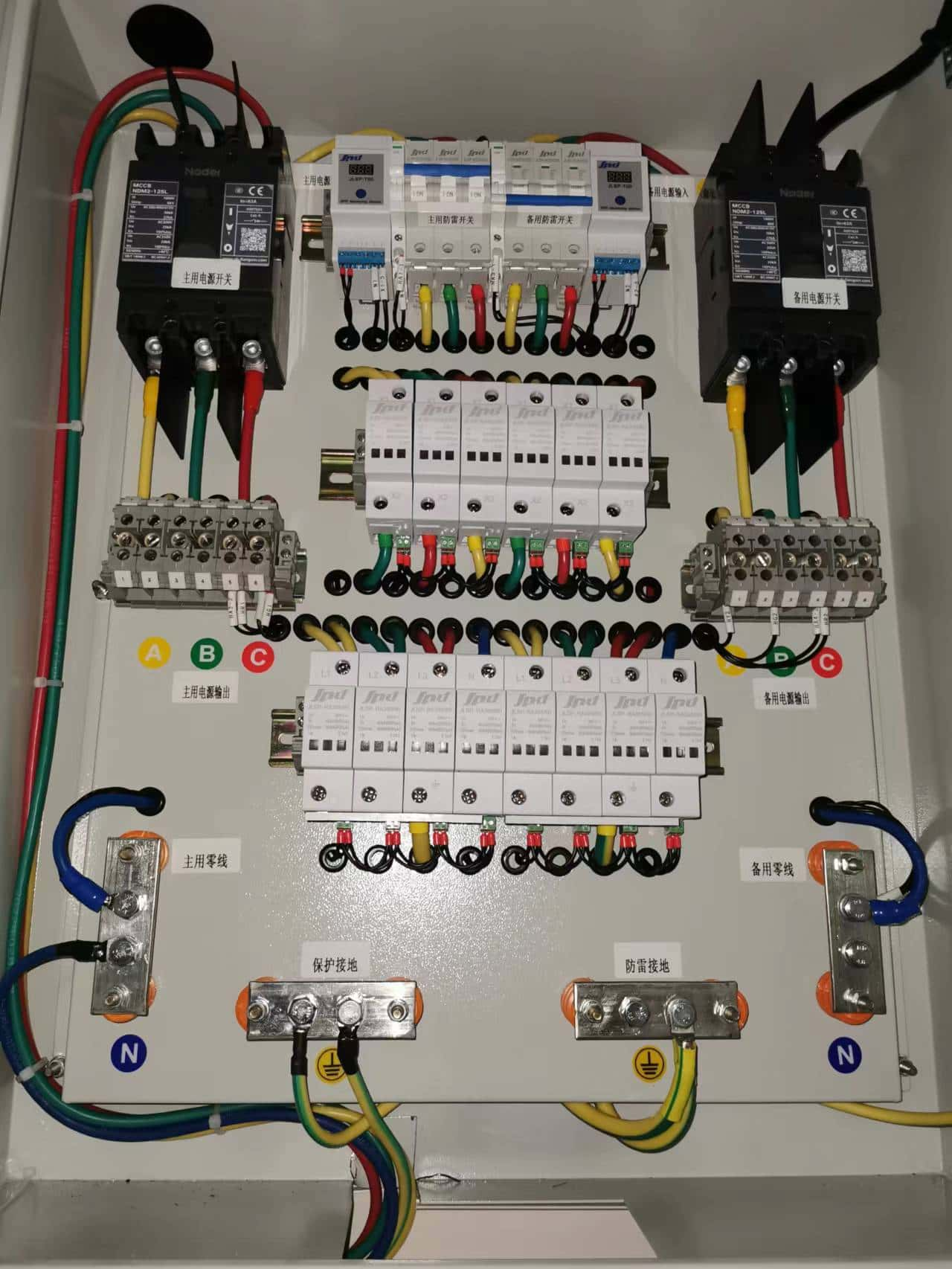 For SPDs used in high-altitude areas, the electrical clearance needs to be increased. How does the GB/T 18802.11 standard reflect this requirement in testing and certification?
Apr 28 , 2026
The GB/T 18802.11 standard explicitly acknowledges the influence of altitude on electrical clearance insulation strength and incorporates this through an "altitude correction factor" in the testing conditions. The standard typically uses 2000 meters as the baseline altitude. For surge protective devices (SPDs) claimed to operate normally at higher altitudes (such as 5000 meters), the testing requi...
Read More
-
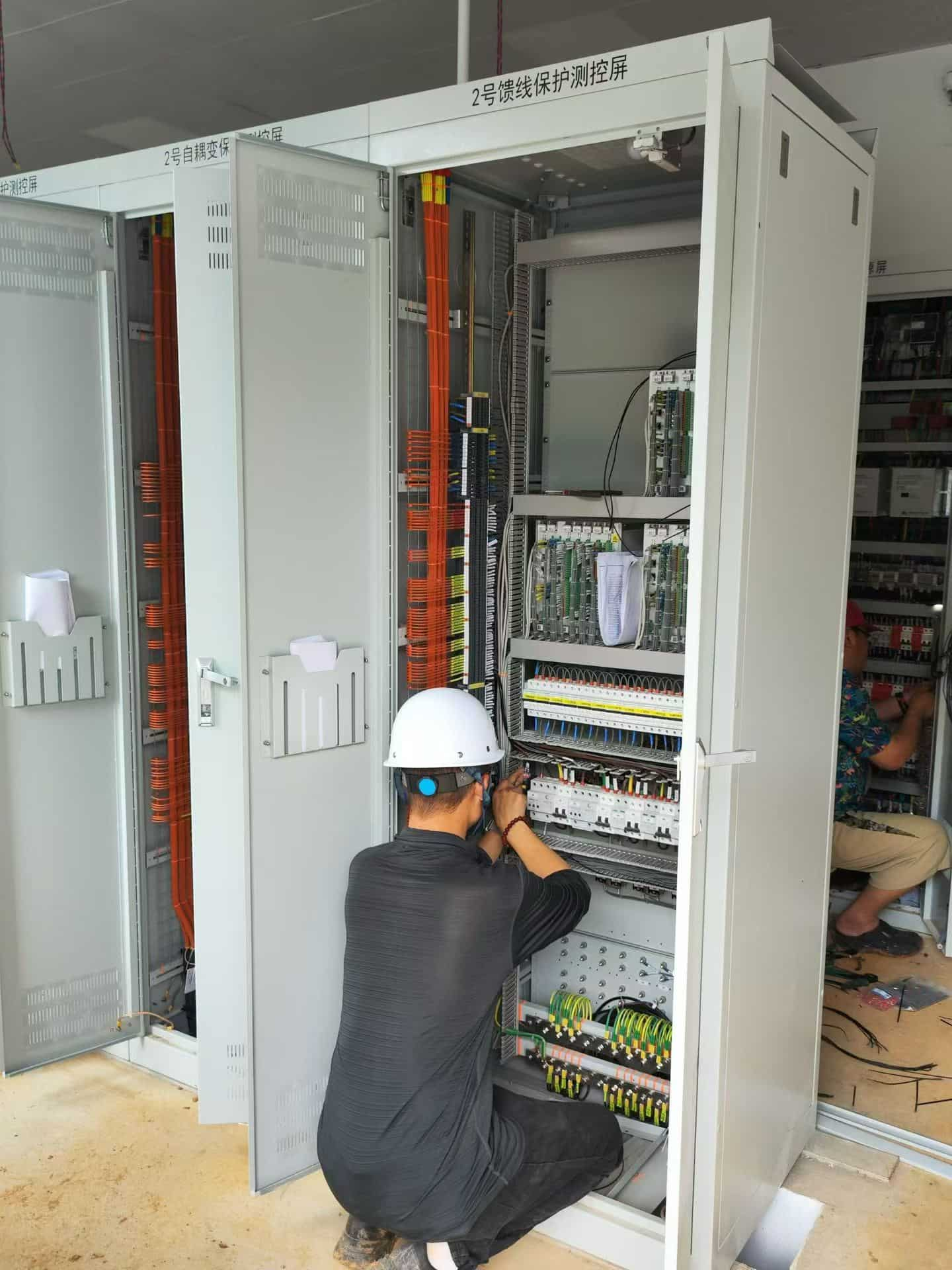 How is the Up value determined in an SPD with multiple protection modes (such as L-N, L-PE, N-PE)? What is the important guiding significance of SPD selection
Jun 26 , 2026
According to the standard, the declared Up value of a multi-mode SPD is the maximum residual voltage value measured across all its protection modes. For example, for a three-phase SPD, if the residual voltage is 1.5 kV in L-PE mode, 1.8 kV in L-N mode, and 2.0 kV in N-PE mode, then the Up value of this SPD should be specified as 2.0 kV. This means that the protection level provided by this SPD to ...
Read More
-
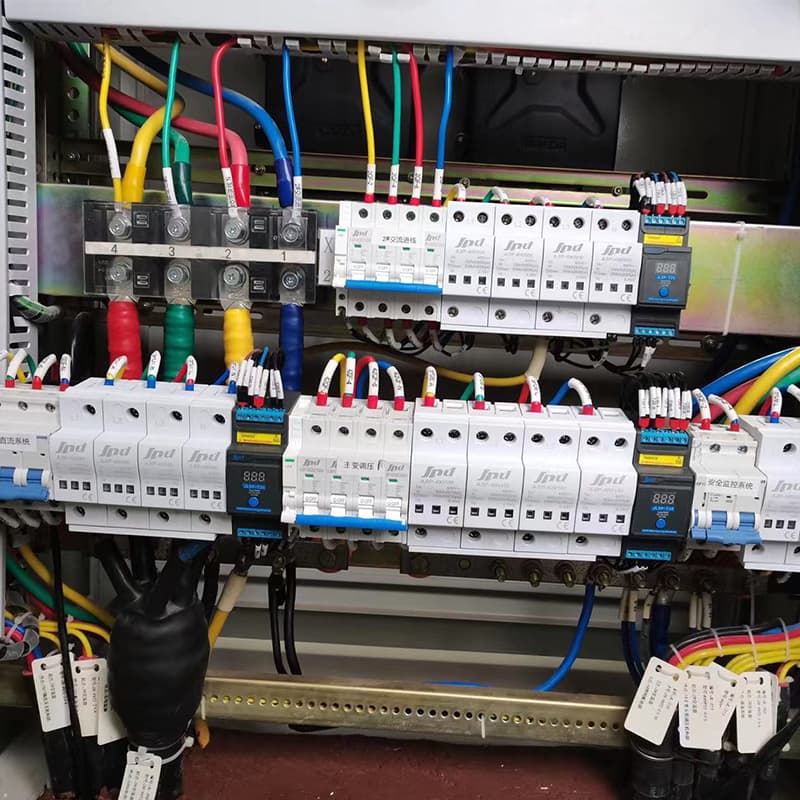 The roles for "impulse breakdown voltage" and the "DC breakdown voltage" in gas discharge tubes in SPDs?
Jul 30 , 2026
This is determined by the physical characteristics of the GDT and its different roles in the circuit. Impulse breakdown voltage (e.g., for a rise rate of 1 kV/μs): This parameter characterizes the response speed of the GDT to fast transient overvoltages. Standards require high stability (low dispersion) because GDTs are often used as primary protection and need to operate quickly and predictably t...
Read More
-
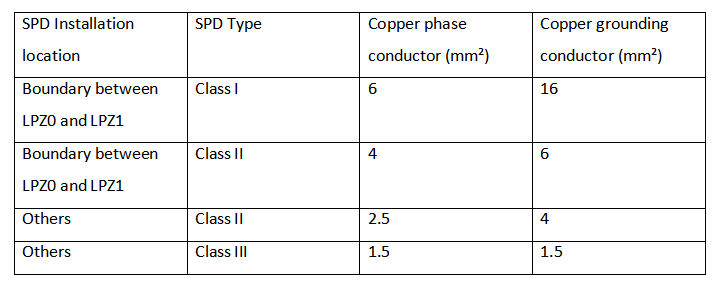 Key Points for Selecting Wire Diameter for SPD Surge Protective Devices
Aug 13 , 2026
Why Wire Diameter Matters? When a surge occurs, the connecting conductors serve as the path for discharging lightning current into the ground. Insufficient conductor gauge can lead to wire burnout, SPD failure, or even fire; conversely, a properly sized conductor ensures that surge current is rapidly and safely diverted to the ground. Conductor sizing is subject to specific requirements under nati...
Read More
-
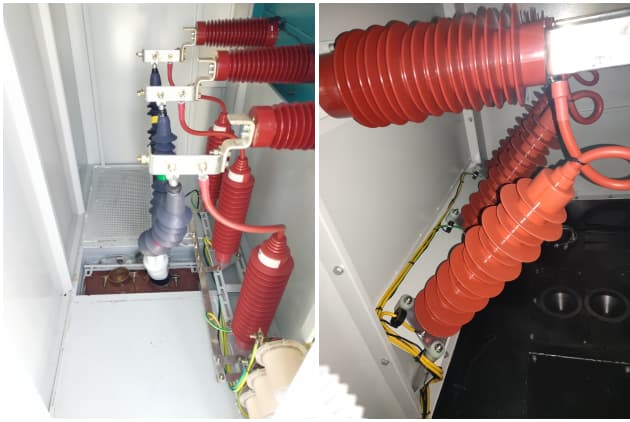 Jinli Electric: Lightning arresters and surge protective devices safeguarding the safety of medium- and low-voltage power distribution systems.
Sep 16 , 2026
During thunderstorms, lightning-induced surges and switching overvoltages can easily penetrate equipment such as box-type substations and ring main units, damaging insulation and causing power outages—resulting in economic losses for industrial parks, new energy projects, and mining operations. As a core protective component, the surge arrester clamps overvoltages and dissipates surge energy, ther...
Read More
-
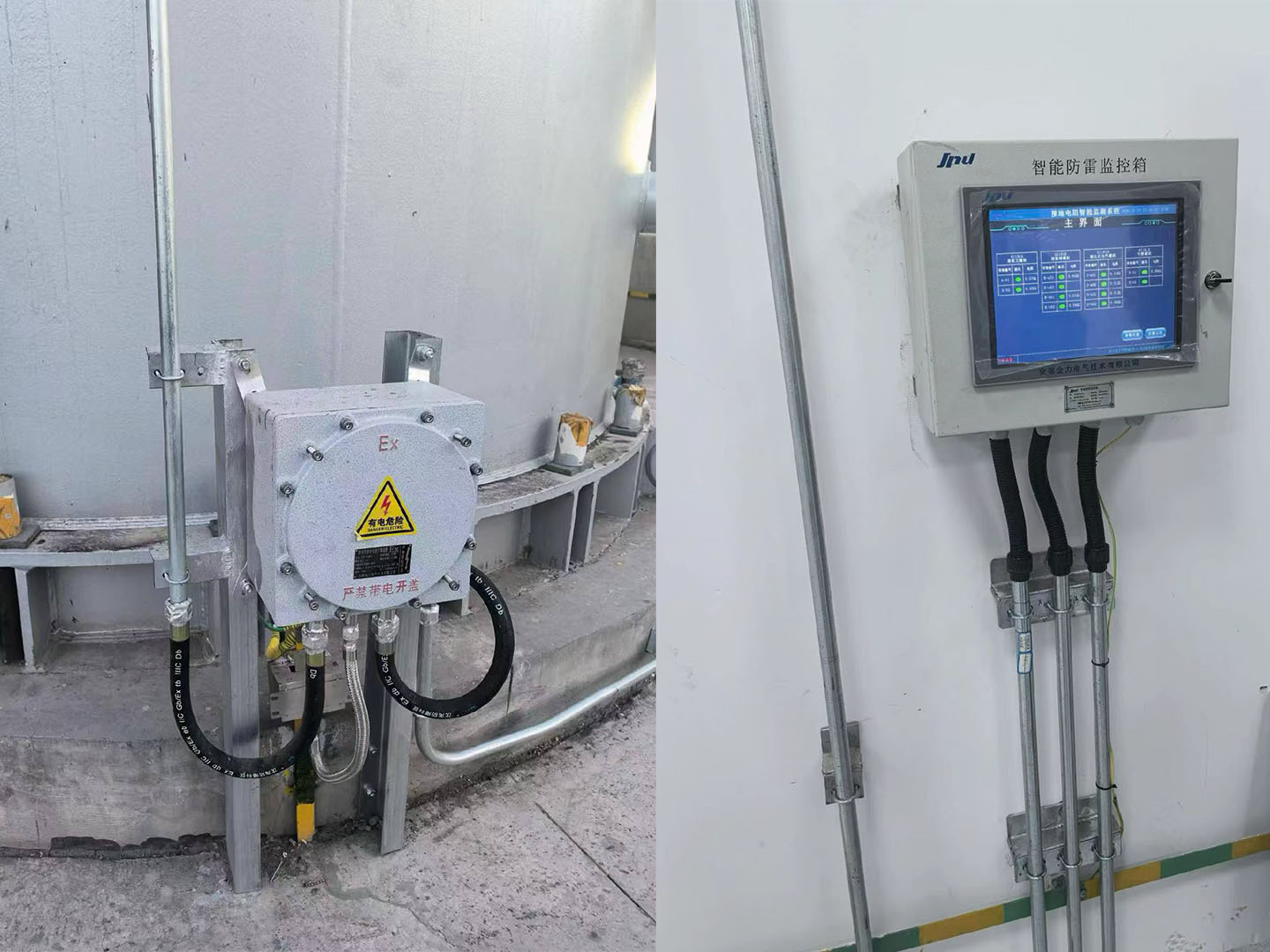 Grounding & Surge Protection for Explosive Hazardous Areas in Chemical Plants
Oct 20 , 2026
Jinliembed the principle of “Implement every system with responsibility” into every construction detail. We install earthing resistance devices for explosive hazardous areas to ensure lightning protection is fully delivered on site. Upholding our mission of “Protect users from lightning hazards”, Jinli Lightning Protection keeps moving forward to safeguard the safety of chemical production....
Read More